Why Home Workouts Get Harder to Start Once It Gets Dark at 5pm
Quick Answer: Most evening home workouts run on an implicit cue — daylight after work signaling that the day isn’t over yet. When darkness arrives before you finish work, that cue vanishes and the body’s evening melatonin rise starts earlier. The fix is replacing the missing environmental cue with an explicit one and raising light levels in the space, not trying harder.
You didn’t get lazier in the last three weeks. It got dark before 6, and the thing that used to tell you it was workout time stopped happening.
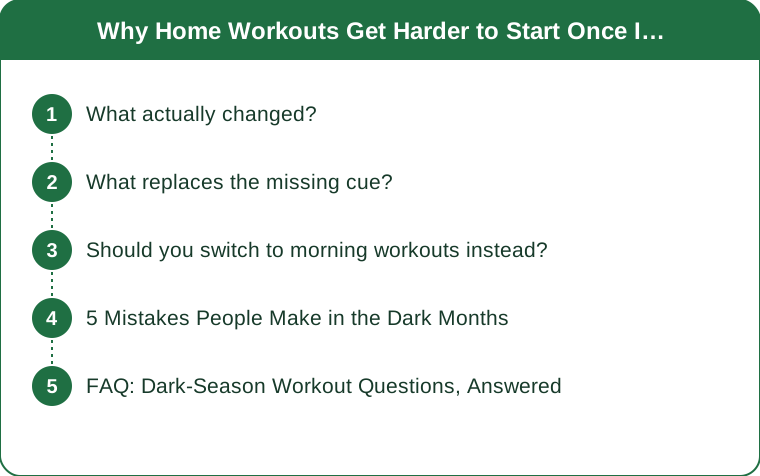
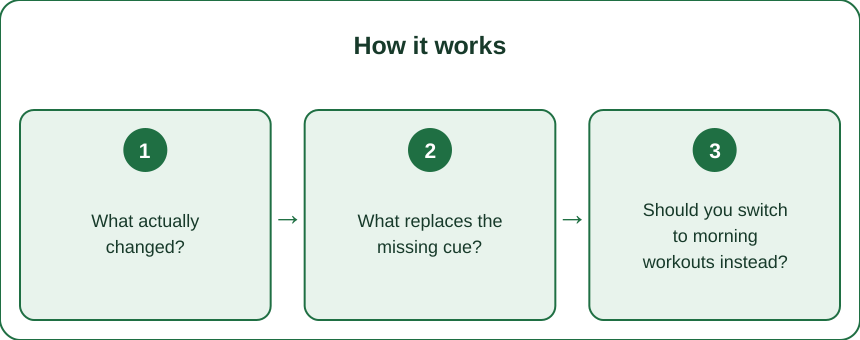
What actually changed?
An environmental cue disappeared, and habits built on environmental cues fail when the environment changes.
Daylight after work was doing invisible work. Finishing at 5:30 with two hours of light left signaled that the active part of the day continued. That signal is gone by mid-October in most of the US, and nothing automatically replaces it.
Melatonin onset shifts earlier with darkness. Your body reads falling light as evening and begins the wind-down process — reduced alertness, a subtle drop in body temperature, increased sleep pressure. You’re being asked to train during a physiological signal that says the day is ending, which is a genuinely different task from training in daylight.
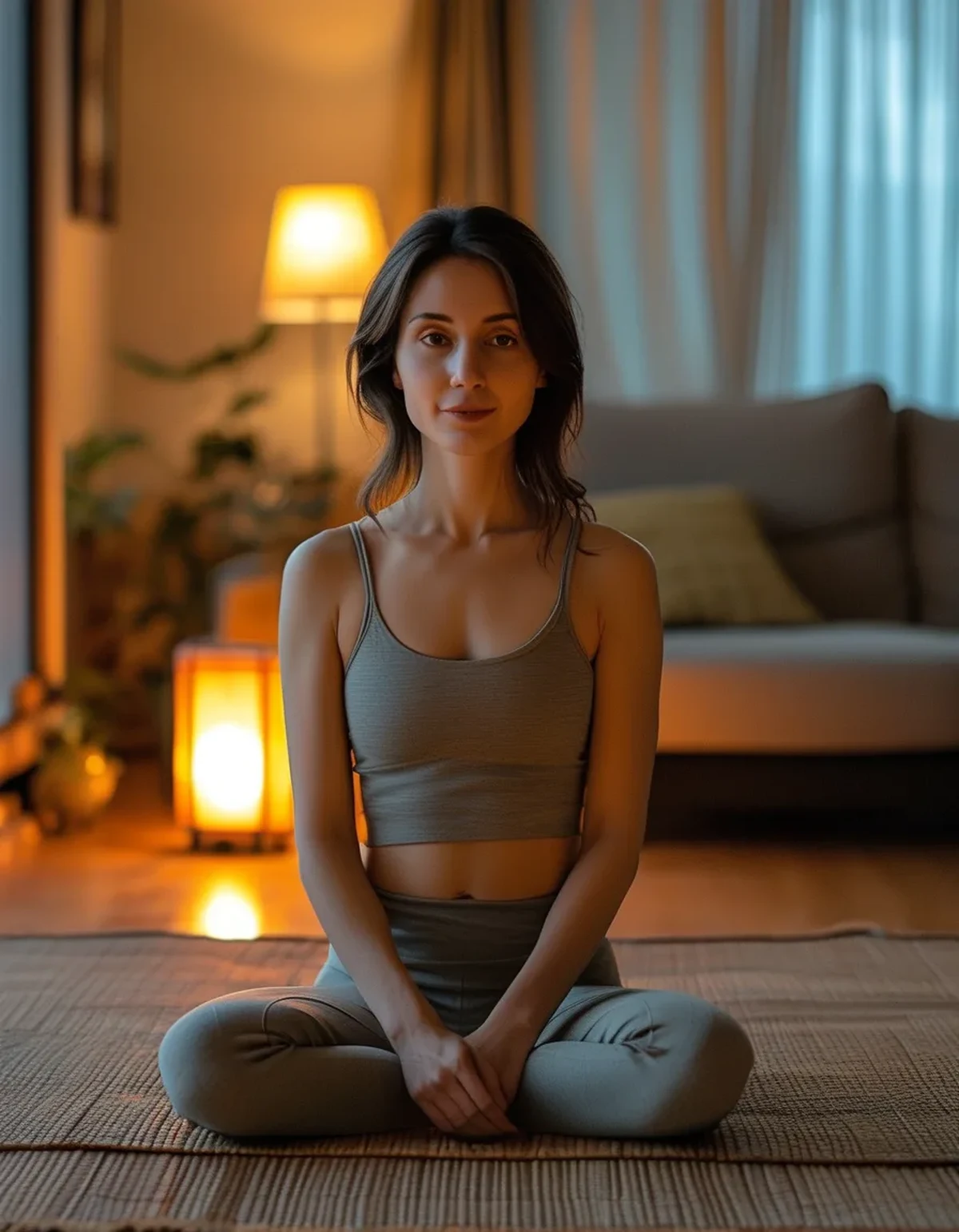
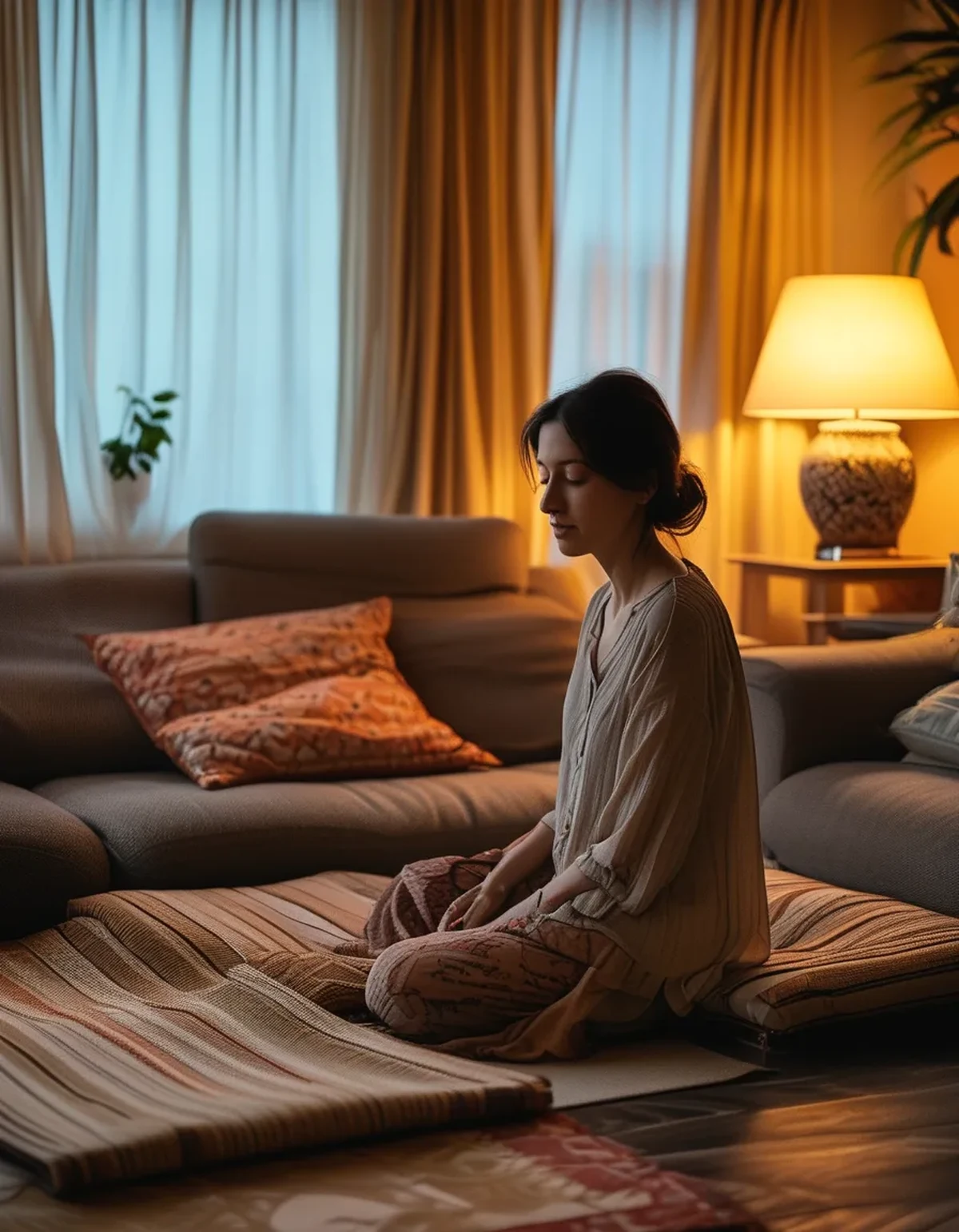
The home environment compounds it. A gym is bright, other people are training, and it has no couch. A dim living room at 6pm has every environmental signal pointing toward rest, and the habit has to overcome all of them.
Habits are cue-dependent, not willpower-dependent. Research on habit formation consistently finds that context cues drive behavior more than intention does. Losing the cue is a structural failure, not a character one — and it explains why this happens to the same people every year at the same time.
What replaces the missing cue?
An explicit, unmissable substitute — and light is the most direct one.
Turn the lights up before you’d start, not when you start. Bright light suppresses melatonin and raises alertness. Putting the room’s lights on full 20 minutes before your session both provides the physiological lift and serves as the cue itself. This is the highest-return change available and it costs nothing.
Set a fixed time and treat it as an appointment. Vague intentions collapse when the environment stops prompting them. A specific time — 6:15, every Tuesday and Thursday — replaces the daylight signal with a calendar one.
Attach it to something that happens unconditionally. Immediately after closing the laptop. Right after the kids’ bedtime. The anchor supplies the reliability that daylight used to.
Set the space up in advance. Mat down, shoes out, weights visible — before the evening starts. A room that’s already configured for a workout is a cue in itself, and the setup step is where most evening sessions actually die.
Consider moving the session earlier. Lunchtime or immediately after work while it’s still light, if your schedule allows. This is the cleanest solution and it’s worth genuinely considering rather than treating the evening slot as fixed.
Should you switch to morning workouts instead?
Maybe, and the honest answer is that morning has its own autumn problem.
The case for morning: it’s before the day accumulates obstacles, and consistency is generally higher for morning exercisers.
The case against, specifically in autumn: sunrise is also getting later. By late October you’d be waking in darkness too, and morning motivation in a dark, cold house is a different but equally real problem. Trading a dark evening for a dark morning isn’t automatically a win.
A midday session is the underrated option for anyone working from home. It’s the brightest part of the day, it breaks up the afternoon dip, and it’s the one slot autumn doesn’t darken. A 20-minute session at 12:30 outperforms a 45-minute session at 7pm that happens half the time.
If you do switch to morning, use the same principle — bright light immediately on waking, and everything laid out the night before.
Don’t switch repeatedly. Each change costs several weeks of habit rebuilding. Pick one and hold it through the season rather than optimizing every fortnight.
5 Mistakes People Make in the Dark Months
1. Treating it as a motivation problem. It’s a cue problem. “Try harder” doesn’t restore a missing environmental signal, and framing it as willpower adds guilt to a structural issue.
2. Training in a dimly lit room. Low light actively supports the wind-down you’re fighting. Lights on full, 20 minutes early.
3. Keeping the summer session length. A 45-minute plan you skip is worse than a 20-minute one you do. Shorten deliberately for the dark months rather than letting attendance erode.
4. Leaving the setup for the moment you start. The setup step is where evening sessions die. Configure the space in the morning while you still intend to.
5. Waiting to feel like it. In autumn evenings you frequently won’t, and the feeling generally follows the first few minutes rather than preceding them. Commit to five minutes and decide after.
FAQ: Dark-Season Workout Questions, Answered
Is it actually harder to exercise after dark, or is it in my head?
Both — melatonin onset shifts earlier with darkness, which genuinely reduces alertness. The effect is real and modest, and the missing cue matters more than the physiology.
Does bright light before a workout really help?
Yes. Bright light suppresses melatonin and raises alertness, and it doubles as the replacement cue. It’s the single most useful change.
Will evening exercise hurt my sleep?
For most people, no — moderate exercise finishing an hour or more before bed doesn’t disrupt sleep and often improves it. Very intense sessions right at bedtime can, for some.
Should I use a light therapy lamp?
If your mood and energy drop noticeably through autumn, a morning lamp is worth trying. For workout timing specifically, ordinary bright room lighting does most of the job.
How short can a session be and still count?
15–20 minutes done consistently beats 45 minutes done sporadically, especially through a season where consistency is the thing under threat.
Why does this happen at the same time every year?
Because it’s driven by the calendar, not by you. Expecting it in early October and adjusting in advance works better than reacting in November.
TL;DR:
- Evening home workouts often run on an unnoticed daylight cue that disappears in October
- Darkness shifts melatonin onset earlier, so you’re training against a wind-down signal
- Turn room lights up 20 minutes before — it raises alertness and becomes the replacement cue
- Anchor the session to a fixed time or an unconditional event, not to how the evening feels
- Set the space up in advance; the setup step is where most evening sessions die
- Consider a midday slot — it’s the one time autumn doesn’t darken
You didn’t lose discipline three weeks ago. You lost a cue, and cues can be rebuilt in an evening.
Keep Reading
This article is for general informational purposes only and is not medical advice. It is not a substitute for professional diagnosis or treatment. Always consult a qualified healthcare provider about your individual situation, especially before making significant changes to your diet or exercise routine.