How to Do a Real Home Workout in an Apartment Without Annoying Your Neighbors
Quick Answer: Swap high-impact moves (jumping jacks, burpees, jump squats) for their low-impact equivalents (step-outs, slow squat-to-stands, controlled lunges) which can maintain similar intensity through tempo and range of motion rather than impact. A thick workout mat placed under your main movement area absorbs most remaining floor noise, and scheduling around obviously quiet hours handles the rest.
Apartment living doesn’t have to mean giving up intense home workouts — it means substituting the specific mechanism (impact) that causes the noise, not necessarily reducing overall effort.
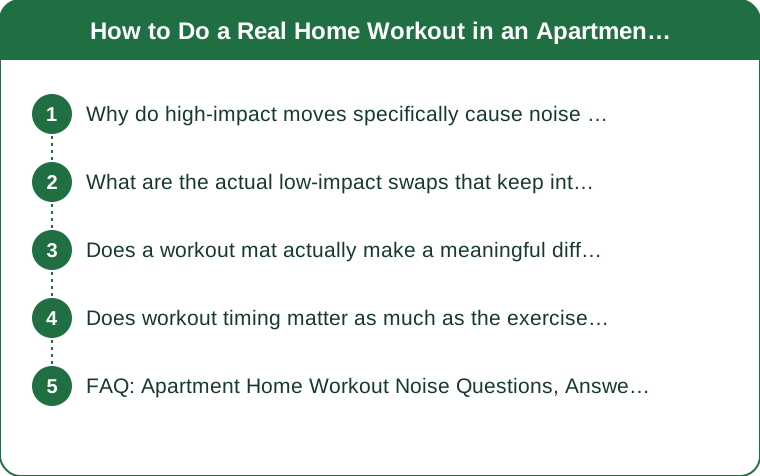
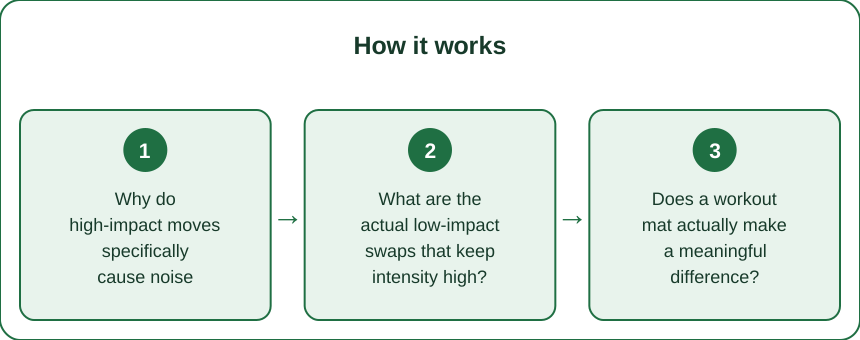
Why do high-impact moves specifically cause noise complaints?
It’s not the exercise itself, it’s the sudden transfer of force into the floor on landing — a jump squat or burpee involves your full body weight decelerating rapidly against a hard surface, which transmits as a sharp impact sound and vibration through the floor structure into the unit below, especially in buildings without significant sound insulation between floors.
A controlled, non-jumping version of the same movement pattern (a slow squat instead of a jump squat, a step-back lunge instead of a jumping lunge) removes that sudden force transfer almost entirely while still working the same muscle groups through a similar range of motion.
What are the actual low-impact swaps that keep intensity high?
Jumping jacks → step-out jacks (stepping the feet out and in instead of hopping) — same arm and leg pattern, same cardio elevation with a slightly faster pace, zero impact.
Burpees → slow burpees or ‘burpee step-backs’ (stepping instead of jumping the feet back and stepping instead of jumping to stand) — noticeably slower tempo actually increases the strength demand even as it removes noise.
Jump squats → tempo squats (a slow 3-4 second descent, explosive-feeling but grounded ascent) — you can match or exceed jump squat intensity through tempo and range alone, without ever leaving the floor.
High knees → marching high knees at a controlled pace, driving the knee height and arm drive rather than the speed of impact.
Does a workout mat actually make a meaningful difference?
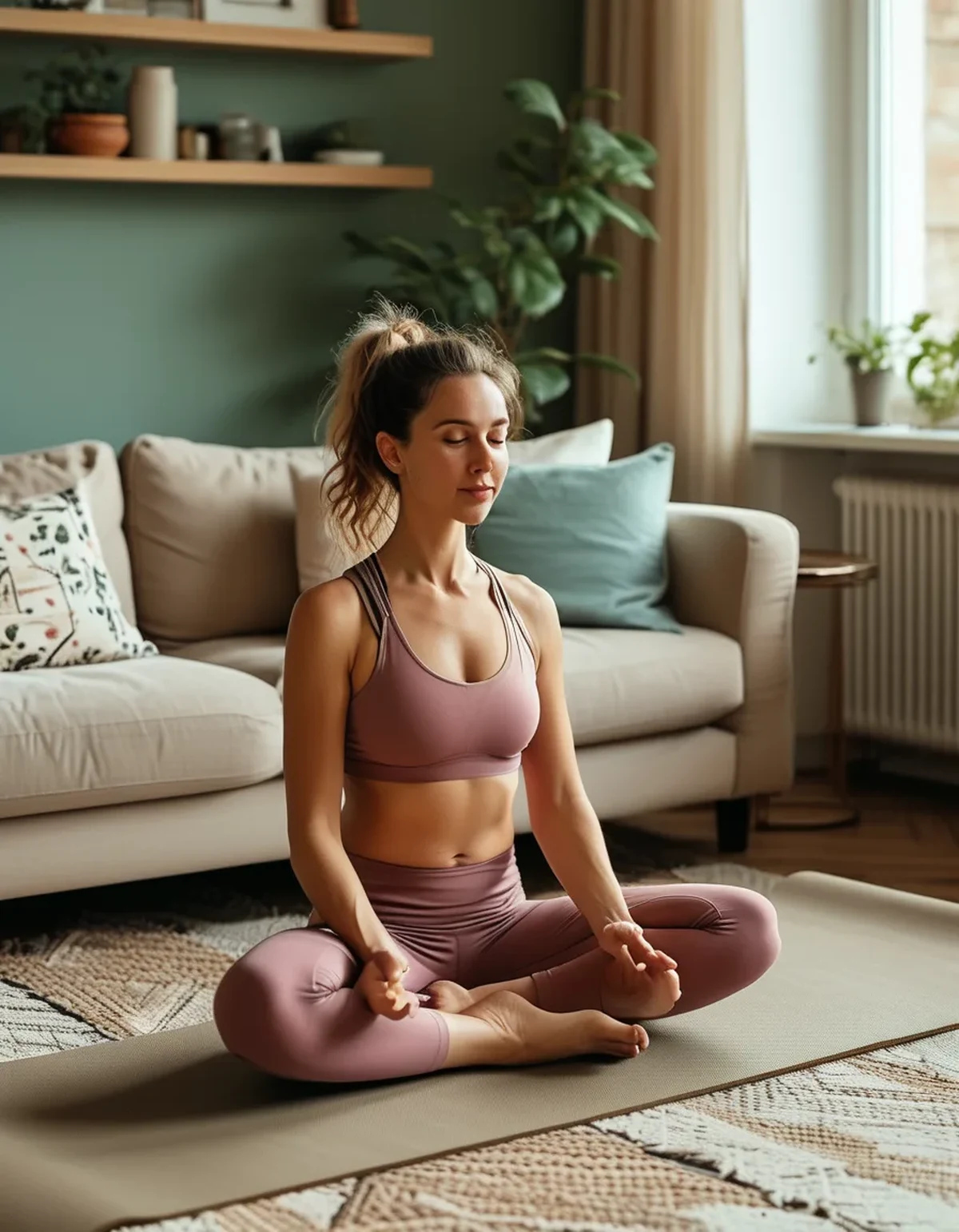
Yes — a thick, dense exercise mat (not a thin yoga mat) placed under your main workout area absorbs a substantial amount of impact vibration before it transfers into the subfloor, which matters even for lower-impact moves that still involve some floor contact (planks, floor-based strength work).
For apartments with genuinely sensitive downstairs neighbors, some people add a second layer — an interlocking foam tile mat under a standard exercise mat — which meaningfully increases vibration dampening beyond a single mat alone.
Does workout timing matter as much as the exercise choice itself?
It matters as a backup layer, not a replacement for exercise choice — even quiet, low-impact workouts still produce some noise and movement, so avoiding clearly late or early hours (generally before 8am or after 9-10pm in most buildings) reduces the chance of any residual noise becoming a genuine issue, on top of the impact modifications themselves.
Combining both — low-impact exercise substitutions plus reasonable timing — covers the noise concern comprehensively enough that most apartment dwellers don’t need to compromise on workout intensity at all, just on the specific mechanics of a handful of moves.
FAQ: Apartment Home Workout Noise Questions, Answered
Do resistance bands or dumbbells cause noise issues too?
Dumbbells dropped on a hard floor can be loud — set weights down deliberately rather than dropping them, and a mat helps here too. Resistance bands are silent by design and a good apartment-friendly strength option.
Can I still get an effective cardio workout without any jumping at all?
Yes — controlled tempo work, fast step patterns, and shorter rest periods between low-impact moves can elevate heart rate substantially without a single jump, though it requires slightly more deliberate pacing than jump-based HIIT.
Is it worth talking to neighbors directly about workout timing?
Often yes, especially in smaller buildings — a brief heads-up conversation about your general workout schedule tends to reduce friction more than guessing at acceptable hours, and most neighbors appreciate being asked rather than just enduring it.
TL;DR:
- The noise problem is impact-based, not intensity-based — swap jumps for controlled, grounded versions
- Step-out jacks, slow burpees, and tempo squats maintain intensity without leaving the floor
- A thick, dense mat meaningfully absorbs remaining vibration
- Reasonable timing is a useful backup layer, not a substitute for impact modifications
You’re not choosing between a real workout and being a good neighbor — the substitutions get you both at once.
Keep Reading
This article is for general informational purposes only and is not medical advice. It is not a substitute for professional diagnosis or treatment. Always consult a qualified healthcare provider about your individual situation, especially before making significant changes to your diet or exercise routine.