The Minimalist Home Gym Setup That Actually Gets Used
Quick Answer: A cluttered home gym corner usually dies within a month because too much equipment creates decision fatigue before you even start. Four pieces — a pair of adjustable dumbbells, a resistance band, a mat, and a sturdy step or bench — cover a full strength program with almost no floor footprint.
You bought the kettlebell, the resistance bands, the ab wheel, the yoga blocks, and the mini trampoline. Six months later, it’s a pile you step around, not a gym. The problem isn’t motivation — it’s that more equipment means more decisions before every single workout.
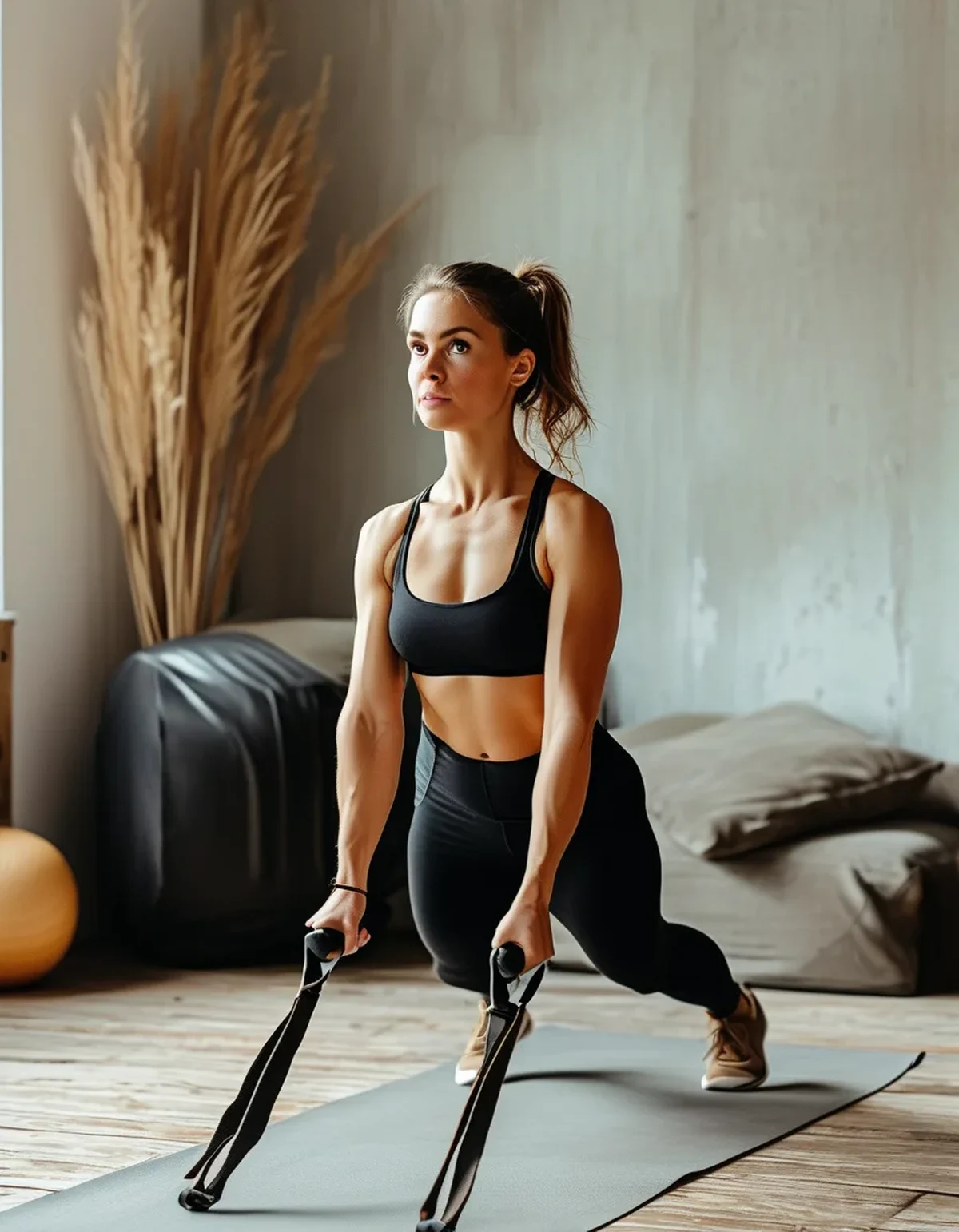
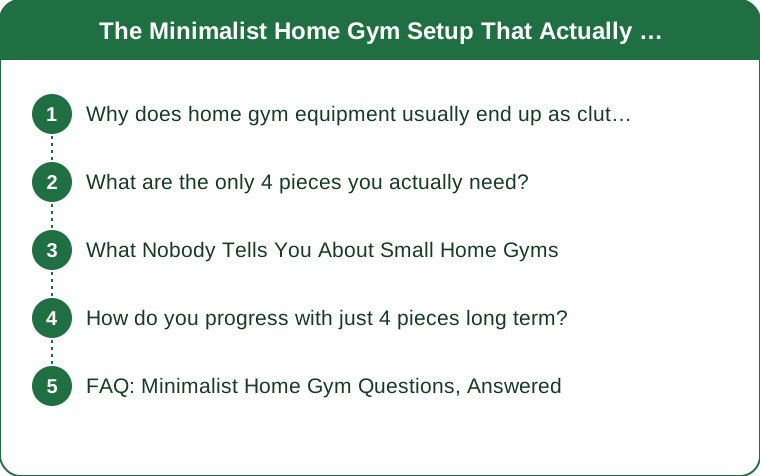
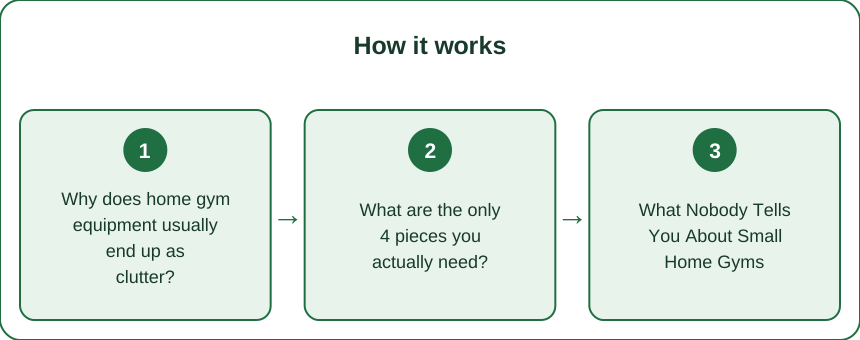
Why does home gym equipment usually end up as clutter?
Because every extra tool adds a decision: which one today, is this the right exercise for it, where does it even live when I’m done. That friction adds up fast, and friction is exactly what kills a habit that’s supposed to save you time.
A setup with fewer, more versatile pieces removes the decision entirely — you know exactly what you’re using before you even walk over.
What are the only 4 pieces you actually need?
- Adjustable dumbbells (one pair, roughly 5-25lbs range) — covers presses, rows, squats, lunges, and curls in one tool
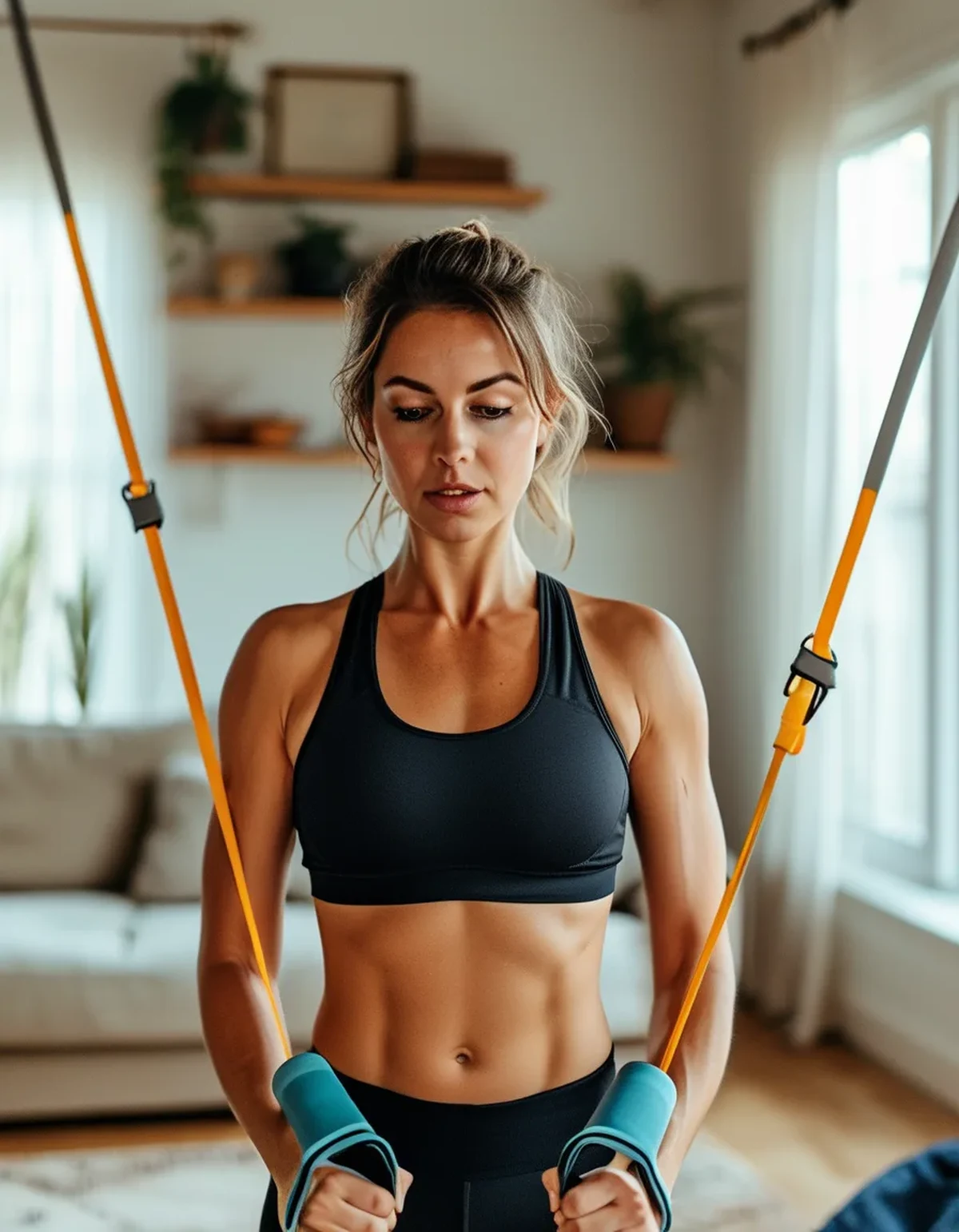
- A resistance band (medium tension, looped) — adds load to glute and shoulder work dumbbells don’t hit well
- A workout mat — floor work, stretching, and core exercises
- A sturdy step or low bench — step-ups, elevated push-ups, tricep dips, and Bulgarian split squats
That’s a complete program: push, pull, squat, hinge, and core, covered by four items that fit in a closet corner.
What Nobody Tells You About Small Home Gyms
The equipment isn’t what makes a home workout consistent — the setup time is. If your four pieces live in one visible spot, ready to grab, you’re far more likely to do a 15-minute session than if you have to dig a kettlebell out from behind storage bins first.
A basket or open shelf near where you actually work out beats a closet every time, even with less equipment overall.
How do you progress with just 4 pieces long term?
Adjustable dumbbells solve most of the progression problem on their own — you’re not capped at one weight. For bodyweight moves, progress by tempo (slower reps), range of motion (deeper squats, deficit push-ups on the step), or single-limb variations (single-leg glute bridges instead of two-leg) before you assume you need more equipment.
Most people plateau on programming, not on equipment variety — a structured 3-day rotation with these 4 pieces will outlast a cluttered corner with ten tools and no plan.
FAQ: Minimalist Home Gym Questions, Answered
Do I need a squat rack or barbell at home?
Not for a general strength program — adjustable dumbbells and a step cover squats, lunges, and presses effectively without the space or cost of a rack.
What if 25lbs dumbbells aren’t enough eventually?
At that point, single-limb and tempo variations (see above) usually extend the challenge for months before you actually need heavier weight.
Is a resistance band really necessary if I have dumbbells?
Yes for two spots specifically — lateral band walks for glutes and banded pull-aparts for shoulder health — dumbbells don’t replicate that constant tension well.
TL;DR:
- More equipment means more decisions, and decisions are what kill the habit
- Four pieces cover a full program: adjustable dumbbells, a band, a mat, a step
- Visible, grab-and-go storage matters more than the equipment itself
- Progress with tempo, range of motion, and single-limb variations before adding gear
- Most plateaus are a programming problem, not an equipment problem
Start with the four pieces, keep them visible, and skip the equipment pile entirely.
Keep Reading
This article is for general informational purposes only and is not medical advice. It is not a substitute for professional diagnosis or treatment. Always consult a qualified healthcare provider about your individual situation, especially before making significant changes to your diet or exercise routine.